24 hours WhatsApp,Wechat quick online service

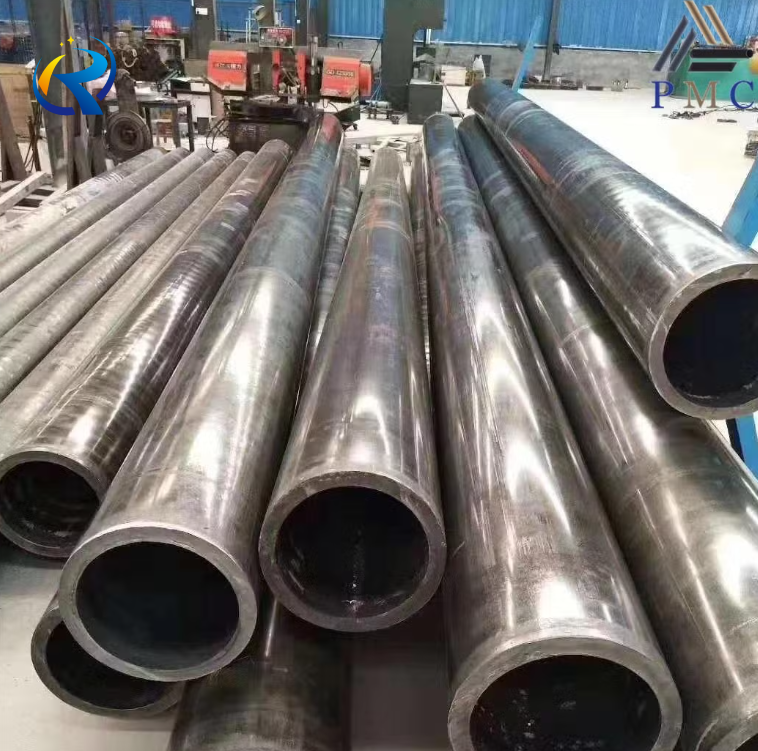
Understanding the Manufacturing Processes
The production methods of cold-drawn, cold-rolled, and seamless steel pipes significantly influence their mechanical properties and applications. Cold-drawn steel pipes are manufactured by pulling a steel billet through a die at room temperature, which reduces the diameter and improves surface finish. This process enhances dimensional accuracy and tensile strength, making these pipes ideal for precision applications like hydraulic systems and automotive components. Cold-rolled steel pipes, on the other hand, are formed by passing steel sheets through rollers at ambient temperature, resulting in improved surface quality and tighter tolerances. These pipes are commonly used in structural applications and decorative purposes due to their smooth finish.
Seamless steel pipes are produced through extrusion or rotary piercing, creating a pipe without any welded seams. This method ensures superior strength and pressure resistance, making seamless pipes the preferred choice for high-stress environments such as oil and gas pipelines, boilers, and power plants. The relationship between these pipe types lies in their complementary roles within the steel industry. While cold-drawn and cold-rolled pipes excel in precision and surface quality, seamless pipes dominate in high-pressure and high-temperature applications. Understanding these distinctions helps professionals select the right product for their specific needs.
Key Applications of Cold-Drawn and Cold-Rolled Steel Pipes
Cold-drawn steel pipes are widely used in industries requiring high precision and durability. Their applications include hydraulic cylinders, pneumatic systems, and precision machinery components. The cold-drawing process imparts excellent mechanical properties, such as increased hardness and fatigue resistance, making these pipes suitable for demanding environments. Additionally, cold-drawn pipes are often employed in the automotive sector for fuel injection systems and suspension components due to their superior dimensional accuracy.
Cold-rolled steel pipes, with their smooth surface and uniform thickness, are commonly found in construction, furniture, and appliance manufacturing. They are particularly valued for their aesthetic appeal and structural integrity. For instance, cold-rolled pipes are used in handrails, scaffolding, and support frames. Their versatility also extends to the production of Color Coated Aluminum Plate, where they serve as substrates for coating processes. This highlights the interconnected nature of various steel products in industrial applications.
Classifications and Uses of Seamless Steel Pipes
Seamless steel pipes are categorized based on their manufacturing methods and intended applications. The primary classifications include hot-finished and cold-finished seamless pipes. Hot-finished pipes are produced at high temperatures, offering excellent toughness and resistance to deformation. These pipes are typically used in oil and gas exploration, chemical processing, and power generation. Cold-finished seamless pipes, produced at lower temperatures, provide enhanced precision and surface quality, making them suitable for mechanical and automotive applications.
Another critical classification is based on material grades, such as carbon steel, alloy steel, and stainless steel seamless pipes. Each grade offers unique properties tailored to specific industrial needs. For example, carbon steel seamless pipes are favored for their cost-effectiveness and strength, while stainless steel variants excel in corrosive environments. Understanding these classifications enables procurement specialists and engineers to make informed decisions, ensuring optimal performance and longevity in their projects.
Comparative Analysis: Cold-Drawn vs. Cold-Rolled vs. Seamless
When comparing cold-drawn, cold-rolled, and seamless steel pipes, several factors come into play, including production methods, mechanical properties, and cost considerations. Cold-drawn pipes offer superior dimensional accuracy and surface finish but may involve higher production costs due to the intricate drawing process. Cold-rolled pipes provide a balance between cost and quality, making them a popular choice for general-purpose applications. Seamless pipes, while more expensive, deliver unmatched strength and reliability for critical applications.
The choice between these pipe types ultimately depends on the specific requirements of the project. For instance, industries prioritizing precision and surface quality may opt for cold-drawn or cold-rolled pipes, while those needing high-pressure resistance would lean towards seamless options. By understanding the relationship between these pipe types, professionals can optimize their material selection, ensuring both performance and cost-efficiency.
Conclusion and Next Steps
In summary, cold-drawn, cold-rolled, and seamless steel pipes each serve distinct roles in the steel industry, driven by their unique manufacturing processes and properties. Cold-drawn pipes excel in precision applications, cold-rolled pipes offer versatility and aesthetic appeal, and seamless pipes provide unmatched strength for high-stress environments. Whether you're a procurement specialist, engineer, or researcher, understanding these differences is crucial for selecting the right pipe type for your needs.
At Shandong Ruilian Metal Products Co., Ltd., we pride ourselves on delivering high-quality steel products tailored to your specific requirements. Our extensive experience and partnerships with major state-owned steel mills ensure reliable supply and competitive pricing. For more information on our products, including the Color Coated Aluminum Plate, contact our professional sales team today. Let us help you find the perfect solution for your project.