24 hours WhatsApp,Wechat quick online service

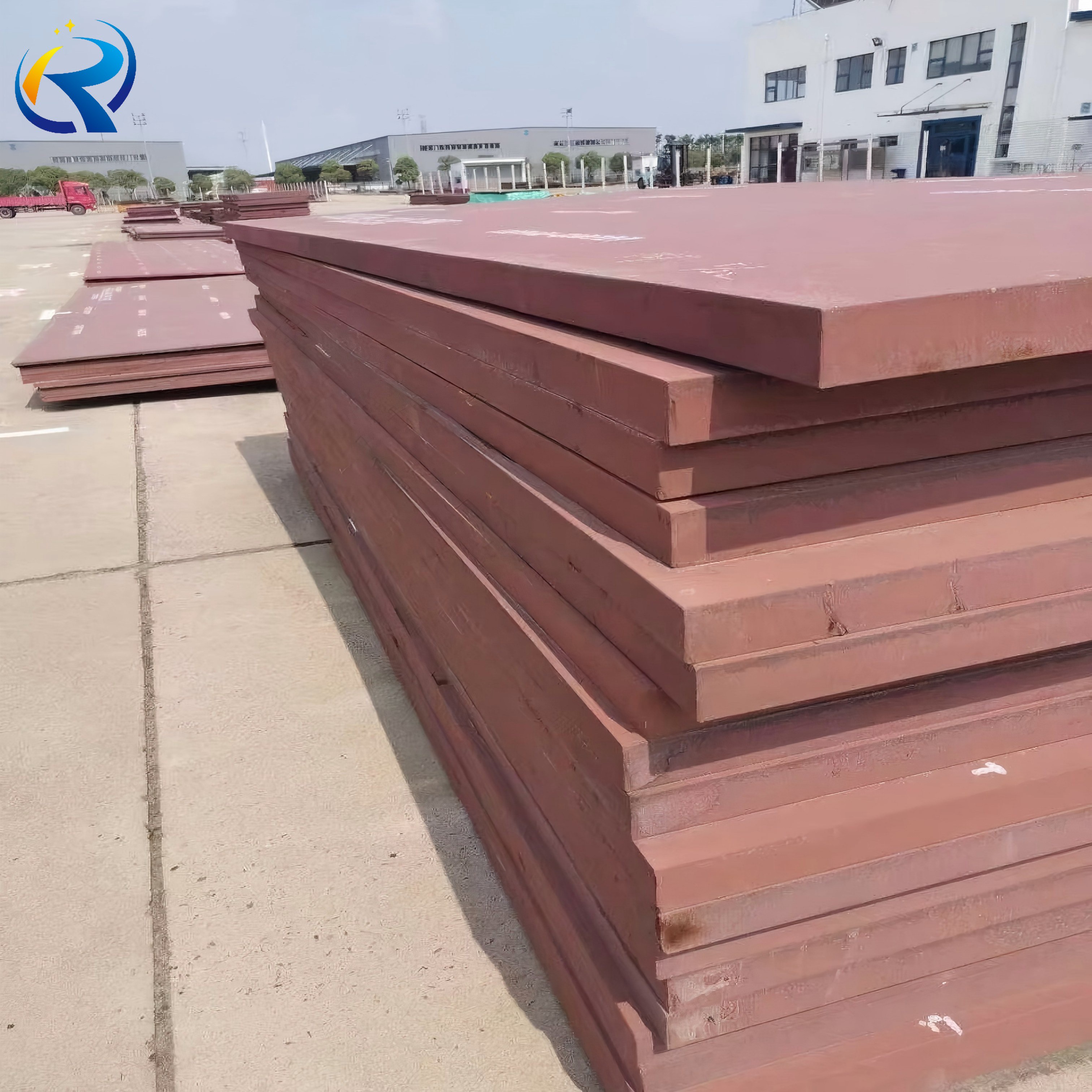
Hardox performs best in heavy equipment parts that fail mainly because of abrasion, impact, and repeated loading—not simply because they carry weight. For buyers, engineers, and sourcing teams, the key question is not whether Hardox is strong, but where its wear resistance creates a measurable return through longer service life, lower maintenance, and more uptime. In practice, that means high-wear components such as buckets, dump bodies, liners, hoppers, crushers, and transfer points often benefit the most when the correct grade and fabrication approach are selected.
For information-focused readers, the real value lies in understanding application fit. Hardox is not a universal answer for every machine part. It delivers the strongest results where sliding wear, gouging wear, or impact abrasion quickly destroy ordinary steel. When matched to the right duty cycle and thickness, it can reduce replacement frequency, lower payload penalties caused by overdesign, and improve equipment productivity in mining, quarrying, demolition, recycling, and bulk material handling.
This article explains where Hardox performs best, why it creates value in heavy equipment, and what to evaluate before sourcing. It also highlights practical buying considerations, because material performance depends not only on grade selection but also on quality consistency, processing capability, and supply reliability.
What searchers usually want to know about Hardox in heavy equipment
Most people searching for Hardox in this context are trying to answer a practical decision-making question: where will this wear plate actually outperform standard structural or carbon steel enough to justify the cost? They are often comparing lifecycle economics rather than just initial purchase price. The focus is on durability, maintenance reduction, uptime, and resistance to abrasive material such as rock, ore, sand, scrap, gravel, or demolition debris.
They also want to know which components see the clearest benefit. A machine frame may not need premium wear-resistant steel, but a loader bucket lip, a dump truck floor, or a crusher liner might. This distinction matters because the best specification is usually application-specific. Buying too little performance causes fast wear and shutdowns; buying too much can increase cost and fabrication difficulty without meaningful gains.
Another common concern is sourcing confidence. Buyers want material that is dimensionally consistent, traceable, and suitable for downstream processing. A capable supplier with manufacturing and supply chain control can make a major difference, especially for projects that combine wear plate with other steel products, fabricated structures, or replacement parts.
Where Hardox performs best in real equipment applications
The strongest use cases for Hardox are parts exposed to severe abrasive wear combined with impact. Dump bodies and truck beds are among the most common examples. When transporting rock, ore, coal, or construction waste, the floor and side walls face constant sliding abrasion and repeated loading shocks. Hardox can help extend service life while allowing lighter structures compared with thicker conventional steel, which may improve payload efficiency.
Buckets for excavators, wheel loaders, and mining shovels are another high-value application. Bucket bottoms, side cutters, wear strips, and lips often wear faster than surrounding structures. In these zones, Hardox helps resist gouging and material scouring, especially in quarrying and earthmoving operations. The result is less unplanned repair and more predictable maintenance scheduling.
Hardox also performs well in liners, hoppers, chutes, feeder systems, and crusher components. Any place where abrasive bulk materials move, drop, or grind against steel surfaces can become a good candidate. In recycling and demolition, it is useful for containers, grapples, shredder-related wear parts, and transfer surfaces exposed to metal scrap or mixed waste. These are the applications where wear resistance directly converts into lower operational interruption.
Why Hardox creates value beyond simple wear resistance
The first advantage is longer service life, but the deeper value is operational continuity. In heavy equipment, every replacement cycle affects labor, spare parts planning, machine availability, and production output. A wear plate that lasts significantly longer can reduce total cost of ownership even if the upfront material price is higher. This is especially true in remote worksites or high-utilization fleets where downtime is expensive.
The second advantage is the potential for optimized design. Because Hardox combines hardness with useful structural performance, manufacturers may reduce thickness in some applications while maintaining durability. That can lower equipment dead weight and improve fuel efficiency or payload. The best results come from engineering the component around real wear patterns instead of simply swapping one material for another.
Third, Hardox supports more stable maintenance planning. Instead of dealing with sudden perforation or structural wear-through, operators can monitor predictable wear zones and schedule intervention more efficiently. In integrated equipment systems, this is important because worn liners or bodies can accelerate damage in adjacent components, multiplying repair costs across the machine.
How to judge whether Hardox is the right choice for your application
Start with the wear mechanism. If the component mainly suffers abrasion from moving material, Hardox is often worth evaluating. If the part is dominated by heat, corrosion, or pure structural load without serious wear, another steel may be more suitable. Understanding whether the damage is sliding wear, impact wear, or combined abrasion is the foundation for choosing the right grade and thickness.
Next, examine failure history. Look at how often the part is replaced, where thinning happens fastest, and whether downtime is planned or disruptive. If frequent change-outs are hurting production, a premium wear solution may create fast payback. Buyers should also review fabrication needs such as cutting, bending, welding, and edge preparation, because these affect both manufacturability and final service performance.
Finally, think beyond one item. Many heavy equipment projects require a mix of wear-resistant plate, structural steel, pipe, and fabricated assemblies. For example, some systems may combine abrasion-resistant surfaces with fluid or mechanical support components such as 4140 Seamless Steel Pipes. Working with a supplier that can coordinate multiple steel categories helps streamline procurement, quality control, and delivery scheduling.
What buyers should look for in a Hardox-capable steel supplier
Material quality should come first. Buyers need clear specifications, stable sourcing channels, and quality systems that support traceability and compliance. A supplier with ISO-certified management, international export experience, and disciplined inspection procedures is better positioned to deliver consistent products for demanding industrial use. This reduces the risk of variation in thickness, flatness, chemistry, or mechanical properties that can affect fabrication and field life.
Processing capability is equally important. Heavy equipment customers often need cutting, sizing, warehousing, and coordinated shipment rather than only raw stock. A supplier with its own production base and a mature supply chain can support both standard materials and project-based requirements more effectively. This is especially useful when orders involve several product families, from wear plate to structural sections, welded pipe, or even items like 4140 Seamless Steel Pipes for connected mechanical systems.
Reliable delivery and technical communication also matter. The best supplier does more than quote a low price; it helps customers match steel selection to service conditions, balances cost with expected life, and ensures that exported products meet the target market’s standards. For heavy equipment users, that combination of product reliability and service responsiveness often determines whether the material investment pays off in the field.
Conclusion: the best Hardox applications are the ones with clear wear-driven ROI
Hardox performs best where heavy equipment faces severe abrasion, impact, and repetitive wear that quickly defeats ordinary steel. Buckets, dump bodies, liners, chutes, hoppers, crushers, and transport surfaces are usually the highest-value applications because longer wear life leads directly to less downtime and lower maintenance cost.
For buyers and researchers, the smartest approach is to evaluate actual wear conditions, replacement frequency, fabrication requirements, and total lifecycle cost—not just hardness on paper. When the application is correct and the supplier is dependable, Hardox can deliver meaningful gains in service life, operating efficiency, and procurement confidence.
In short, Hardox is most effective not everywhere, but in the right wear zones. That is where its premium performance becomes a practical business advantage.