24 hours WhatsApp,Wechat quick online service

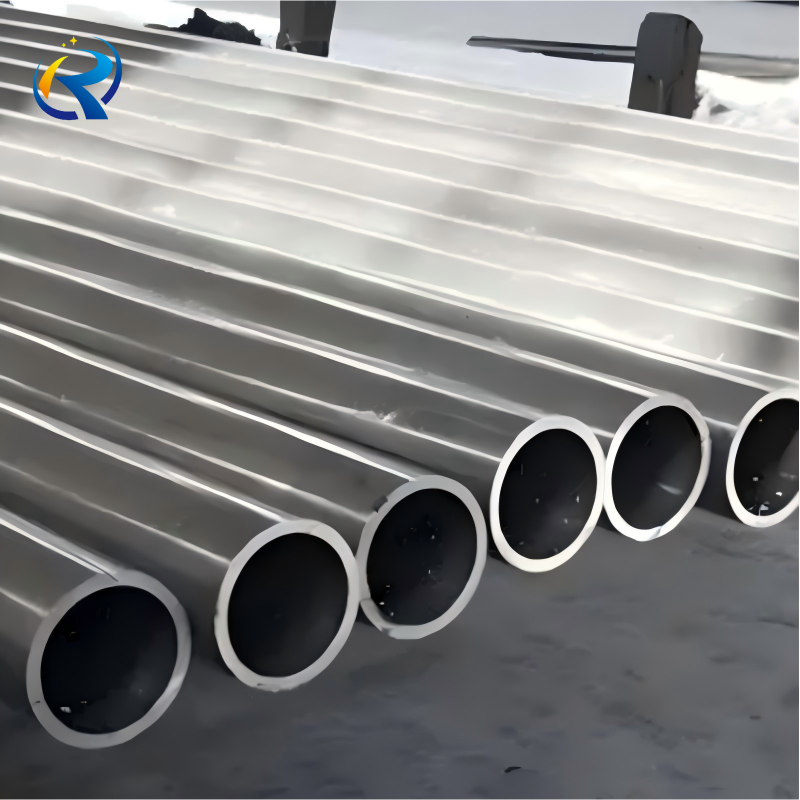
Understanding Cold-Drawn and Cold-Rolled Steel Pipes
Understanding the differences between cold-drawn and cold-rolled steel pipes is crucial for industrial applications and procurement decisions. While both are types of seamless steel pipes, they differ significantly in manufacturing processes, mechanical properties, and end-uses. This article explores key distinctions between cold-drawn vs. cold-rolled steel pipes, their specific industrial applications, and how they relate to seamless pipe classifications - essential knowledge for engineers, operators, and purchasing professionals in the steel industry.
Manufacturing Process Differences
The fundamental difference between cold-drawn and cold-rolled steel pipes lies in their production methods. Cold-drawn pipes are manufactured by pulling (drawing) the steel through a die at room temperature, which reduces diameter and wall thickness while improving surface finish and dimensional accuracy. This process creates significant internal stresses, resulting in higher tensile strength but reduced ductility compared to hot-finished products. Cold-rolled pipes, on the other hand, are formed by passing steel through rollers at room temperature, which compresses the material to achieve desired dimensions. The rolling process typically produces pipes with more uniform wall thickness and better surface quality than hot-rolled alternatives, though with slightly less dimensional precision than cold-drawn variants.
Mechanical Properties Comparison
When comparing mechanical properties, cold-drawn steel pipes generally exhibit higher tensile strength (typically 10-15% greater) and hardness than cold-rolled pipes due to the more severe work hardening during the drawing process. However, this comes at the expense of reduced elongation and impact resistance. Cold-rolled pipes maintain better formability and are more suitable for applications requiring subsequent bending or forming operations. Both processes improve surface finish compared to hot-working methods, with cold-drawn pipes often achieving surface roughness values (Ra) below 0.8 μm, making them ideal for precision applications where surface quality is critical.
Industrial Applications
Cold-drawn steel pipes find extensive use in hydraulic systems, pneumatic cylinders, and precision machinery components where tight tolerances (often within ±0.05mm) and smooth internal surfaces are required. Their high strength-to-weight ratio makes them valuable in automotive suspension systems and aerospace components. Cold-rolled pipes are commonly employed in structural applications, furniture frames, and architectural elements where consistent wall thickness and good formability are prioritized. The construction industry frequently utilizes both types for scaffolding and support structures, though cold-rolled variants are often preferred for their better weldability and formability in field conditions.
Relationship with Seamless Pipe Classifications
Both cold-drawn and cold-rolled pipes belong to the broader category of seamless steel pipes, which are distinguished from welded pipes by their homogeneous structure without longitudinal seams. Within seamless classifications, cold-worked pipes (both drawn and rolled) represent the premium segment, offering superior mechanical properties and dimensional accuracy compared to hot-finished seamless pipes. The choice between cold-drawn and cold-rolled often depends on the balance required between strength, precision, and formability for specific applications. For projects requiring both high strength and precision dimensions, cold-drawn Deformed Steel Rebars can be specified, while cold-rolled pipes may be more appropriate for applications needing good formability and consistent wall thickness.
Selection Considerations for Buyers
Procurement professionals should evaluate several factors when choosing between cold-drawn and cold-rolled steel pipes. Consider the required dimensional tolerances - cold-drawn pipes typically maintain tighter tolerances (±0.05mm vs. ±0.10mm for cold-rolled). Assess the need for subsequent processing; cold-rolled pipes generally perform better in bending and forming operations. Review the surface finish requirements, as cold-drawn pipes offer superior surface quality. Finally, consider cost implications - cold-drawn processes are generally more expensive due to slower production rates and higher tooling costs. For structural applications where high strength is paramount, Deformed Steel Rebars may offer a more cost-effective alternative to precision cold-drawn pipes.
Conclusion and Professional Recommendations
The choice between cold-drawn and cold-rolled steel pipes ultimately depends on specific application requirements, balancing factors such as dimensional precision, mechanical properties, and cost. Cold-drawn pipes excel in high-precision, high-strength applications, while cold-rolled pipes offer better formability and more economical solutions for less demanding environments. As a professional steel products supplier with over a decade of industry experience, Shandong Ruilian Metal Products Co., Ltd. provides expert guidance on material selection and offers both cold-worked pipe options along with complementary products like galvanized coatings and carbon steel coils. Our technical team can help you navigate these complex decisions to ensure optimal performance and cost-efficiency for your projects.
For personalized consultation on your steel pipe requirements or to learn more about our comprehensive product range, contact our sales specialists today. We're committed to delivering high-quality products with competitive pricing and exceptional service - the foundation of our long-term relationships with clients across various industries.